
Here’s the terrifying truth about SEO in 2026: 94% of web pages have zero backlinks.
Not five backlinks.
Not two backlinks.
Zero.
Nada. Zilch. Completely alone on the internet.
Those pages? They get approximately zero organic traffic. Google ranks them somewhere between “not relevant” and “doesn’t exist.” They’re SEO ghosts haunting your site, taking up server space and contributing nothing.
Meanwhile, the #1 result on Google typically has 3.8x as many backlinks as the pages ranking #2-10. That’s not a coincidence. That’s Google’s way of saying “popular sites rank higher, and backlinks prove popularity.”
Here’s another fact: 78% of SEOs report positive ROI from link building. Not “maybe positive.” Not “possibly positive.” Positive ROI. Money in the bank. Organic traffic that converts.
Yet most website owners ignore link building entirely. They write great content. They optimize the hell out of it. They get zero links. And they wonder why nobody finds them.
This guide covers everything about link building strategies in 2026: what works, what doesn’t, actual costs, real success rates, and which tactics actually deliver ROI instead of empty promises.
Let’s get your pages that audience they deserve.
Table of Contents
Why Link Building Still Matters (Even In The AI Era)
Before we dive into tactics, understand why links matter more than ever:
The Numbers Don’t Lie
- Pages without backlinks get virtually zero organic traffic (Ahrefs data)
- Pages with at least one backlink perform 10x better than pages with zero backlinks
- The #1 result has 3.8x more backlinks than positions 2-10
- Sites with 30-35 high-quality backlinks generate 10,500+ organic visits monthly
This isn’t theoretical. This is measured across millions of search results.
Google Still Uses Links (Despite What They Say)
Google claims backlinks aren’t in their “top three ranking factors” anymore. Yet every study consistently shows backlink correlation with rankings at 0.38 (strong correlation). If links didn’t matter, that correlation would be zero.
Translation: Google is being technically accurate while misleading people. Links still matter enormously.
AI Search Engines Prioritize Authority Sites (Which Links Signal)
ChatGPT search, Perplexity, and other AI search engines pull from Google’s index and prioritize authoritative sites. How do they determine authority? Backlinks (among other signals).
74% of SEO professionals believe backlinks impact AI search visibility, and 58% increased their link-building budget in 2026 specifically because of AI search.
Link Building Commands Real Budget
Agencies allocate 32.1% of total SEO budgets to link building. That’s the single largest SEO expense after content creation. Organizations don’t allocate a third of their budget to something that doesn’t work.
Link Building Cost Reality
Before choosing a strategy, understand what you’re actually paying:
Average cost per link: $500+ (up from $300 in 2024)
Guest post costs:
- Standard guest post: ~$220
- High-quality guest post: $600
- Premium publications: $1,000+
Digital PR campaign:
- Small campaign (3-5 placements): $1,500-3,000
- Medium campaign (10-15 placements): $5,000-10,000
- Large campaign (20+ placements): $15,000+
Broken link building:
- DIY (free tools, your time): $0
- Outsourced outreach: $1,000-3,000 for campaign
In-house link building team:
- Junior specialist: $40,000-60,000/year
- Senior link builder: $70,000-100,000/year
- Link building manager: $80,000-120,000/year
Reality check: If you’re spending less than $5,000/month on link building, you’re below the industry median for serious competitors.
8 Link Building Strategies That Work In 2026
Strategy 1: Digital PR (The Reigning Champion) 🏆
Effectiveness Rating: 9.5/10
Digital PR is now the #1 most effective link-building tactic, with 48.6-89.6% of practitioners ranking it as their best-performing method.
What it is: Securing media coverage, interviews, podcast appearances, and news mentions that result in editorial links.
How it works:
- Identify newsworthy angles about your business
- Create a press release or story pitch
- Pitch to journalists, podcasters, and media outlets
- Secure coverage
- Links follow naturally from the coverage
Real ROI: 312% average ROI for digital PR campaigns
Why it wins:
- Links from real news sites carry significant authority
- Google trusts editorial links
- AI search engines cite news sources heavily (ChatGPT pulls from reputable publications)
- Gives you credibility for E-E-A-T signals
Success rates:
- Cold outreach without proper pitch: 1-2% response rate
- Well-targeted, personalized outreach: 5-15% response rate
- Agency-handled outreach: 20-30% response rate
Cost: $1,500-10,000+ depending on scope
Best for: Established brands with newsworthy products/services, companies that can generate genuine stories, businesses with budget.
Implementation:
- Hire a digital PR agency OR
- Build in-house relationships with journalists in your niche OR
- Use services like HARO (Help A Reporter Out) to find journalists actively seeking sources
Pro tip: Journalists use HARO to find expert sources. Pitch yourself as a source of expert commentary. You get links, journalists get content, everyone wins.
Strategy 2: Linkable Asset Creation (The Long Game)
Effectiveness Rating: 8.5/10
Create something so valuable that others naturally want to link to it. This is the opposite of “please link to me” outreach.
What qualifies as linkable assets:
- Original research and studies
- Industry data and reports
- Interactive tools (calculators, auditors, generators)
- Comprehensive guides and resource libraries
- Infographics with novel data
- Case studies with quantified results
Why it works:
- People link to valuable things without being asked
- No cold outreach needed
- Higher-quality links (editorial, not transactional)
- Creates long-tail link juice over time
Real impact:
- Original research attracts links from hundreds of sites
- Interactive tools get shared across social media
- Comprehensive guides get cited in other guides (link cycle)
Cost: $2,000-15,000+ depending on complexity
Success metrics:
- Research studies: 50-300+ links per study
- Interactive tools: 30-150+ links over time
- Comprehensive guides: 20-100+ links
Time to results: 3-6 months for links to plateau (but links keep coming for years)
Best for: Agencies with research capability, companies with proprietary data, brands with budget for production
Example: Buffer’s social media marketing studies have generated thousands of links over the years. Neil Patel’s guest post guide generates continuous links. These aren’t flukes; they’re intentional linkable assets.
Implementation:
- Identify data you have that nobody else has
- Package it into a research report or interactive tool
- Promote heavily
- Watch links accumulate
Strategy 3: Guest Posting (The Reliable Workhorse)
Effectiveness Rating: 7/10
Write a post for someone else’s blog, earn a link back to your site.
Reality check: Guest posting is still used by 42.4% of link builders, but only 18% rank it as their best-performing method (down from 34% in 2024). It’s declining because editorial standards are rising and costs are increasing.
How it works:
- Find relevant blogs in your niche
- Pitch an article idea
- Write the article
- Get published with a link back to your site
Typical link placement:
- Author bio link (most common, lowest authority)
- Contextual link in article body (better authority)
- Multiple links in content (rare, valuable)
Cost: $200-600+ per guest post (or free if you handle outreach yourself)
Success rate:
- Outreach success rate: 1-5% (very low because everyone’s pitching)
- Cost per secured placement: $500-800 when accounting for rejections
Quality considerations:
- Editorial rejection rates have risen 33% since 2023 (due to AI content saturation)
- Publishers now scrutinize author expertise more carefully
- “Spammy” guest posts get harder to place
Why it’s declining:
- All guest posts look the same (search “how to write guest posts” and they’re identical)
- AI-generated guest post pitches flood inboxes
- Publishers raising quality standards
- ROI per dollar declining as costs rise
When guest posting still works:
- Niche blogs with highly relevant audiences
- Publications with real editorial standards
- Your genuine expertise matches their audience perfectly
Best for: Agencies with writers, brands with subject matter expertise, sites in undercompetitive niches
Pro tip: Instead of cold guest post pitching, build relationships with editors first. Comment on their articles, share their content, engage genuinely. Then pitch. Response rates triple.
Strategy 4: Broken Link Building (The Detective Work)
Effectiveness Rating: 7.5/10
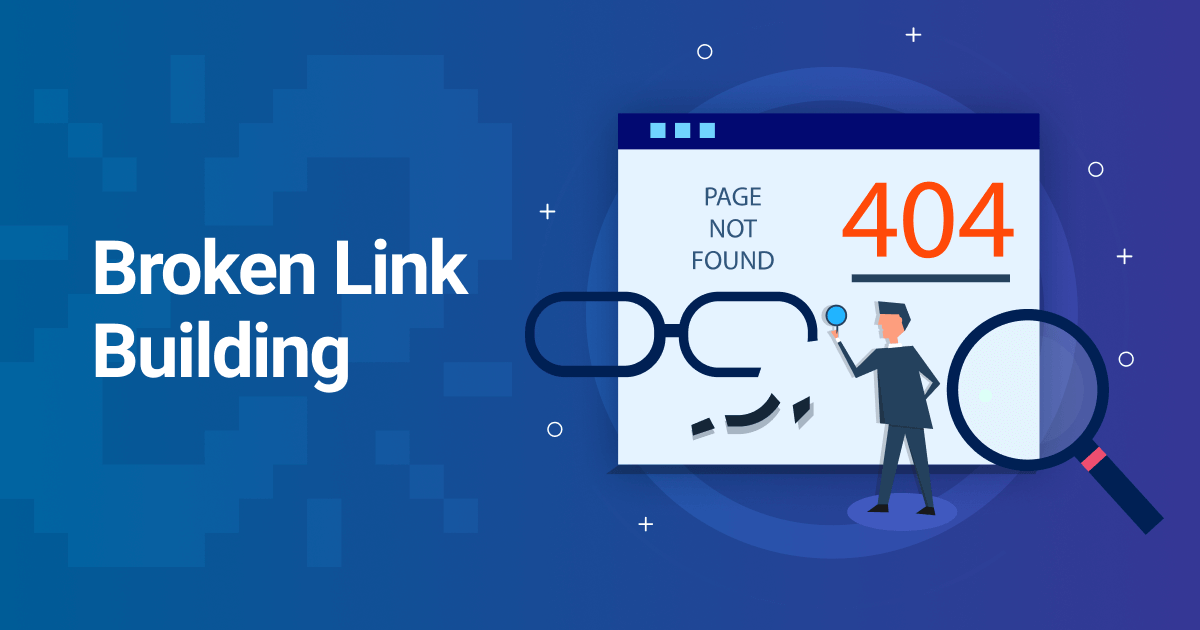
Find broken links on relevant sites, pitch replacement content.
How it works:
- Identify authority sites in your niche
- Find pages with 404 errors/broken links
- Find better content on similar topics
- Pitch the site owner: “Hey, this link is broken, check out my resource instead”
Tools:
- Ahrefs (most popular, 82% of link builders use it)
- SEMrush
- Screaming Frog
- MozBar
Success rates:
- Generic outreach: 1-2% success rate
- Well-targeted “perfect fit” replacement content: 20%+ success rate
Why success rates vary so dramatically:
- “Perfect fit” means you found a resource that directly replaces what’s broken
- Generic “I have a tool that might help” gets ignored
- The better the match, the higher the response rate
Cost: $1,000-3,000 per campaign (DIY or outsourced outreach)
Time to results: 2-8 weeks depending on outreach scale
Best for: Resource pages, comprehensive guides, tools, anyone with replacement content
Example: Site has a broken link to “best WordPress indexing tools 2023.” You pitch “best WordPress indexing tools 2026” as replacement. High likelihood they’ll accept.
Implementation:
- Use Ahrefs to find broken links on DR40+ sites in your niche
- Export list of broken links
- Manually review for relevance
- Check if you have content that could replace it
- Personalize outreach pitch
- Send
Pro tip: Only pitch if you actually have better content. Don’t send generic “my tool might help” pitches.
Strategy 5: Unlinked Brand Mentions (The Underrated Tactic)
Effectiveness Rating: 7/10
Find places where people mention your brand without linking to your site. Convert mentions to links.
Why this matters: 80.9% of link builders believe unlinked brand mentions affect organic search rankings. Google likely tracks mentions of your brand that aren’t linked and uses them as a relevance signal.
How it works:
- Use Google Alerts for your brand name
- Monitor social media for mentions
- Use tools like Brand24 or Mention to track mentions
- Find mentions without links
- Politely ask for a link
Example outreach: “Hey, thanks for mentioning us in your article about [topic]. Would you be willing to add a link since we’re referenced? Here’s the URL: …”
Response rate: 20-50% (much higher than cold outreach because they already mentioned you)
Cost: Free (if manual monitoring) or $50-500/month for monitoring tools
Best for: Established brands, companies with significant press coverage, anyone with brand recognition
Time to implement: Ongoing, low effort
Real impact: One study found that converting unlinked mentions to links improved rankings within 3-6 weeks.
Strategy 6: Resource Page Link Building (The Collaborative Approach)
Effectiveness Rating: 6.5/10
Find resource pages in your niche (lists of recommended tools, guides, etc.) and get your content added.
How it works:
- Search for “best [tools/resources] in [niche].”
- Find comprehensive resource pages
- Analyze the resources listed
- If you have something better/newer, pitch to be added
- Goal: get added to the list
Example searches:
- “best WordPress plugins”
- “top SEO tools”
- “essential marketing resources”
- “recommended SEO courses”
Success rate: 5-15% (depends on how valuable your resource is)
Cost: Free if you do outreach yourself
Quality of links: Decent (contextual links from relevant pages)
Why it works: Resource curators want to provide value. If your resource is genuinely better than what’s listed, they’ll consider adding it.
Best for: Tools, courses, plugins, services that solve specific problems
Implementation:
- Find 50 resource pages in your niche
- Analyze what’s listed
- Identify gaps or outdated resources
- Pitch replacement or addition
- Include why you’re better/newer/more relevant
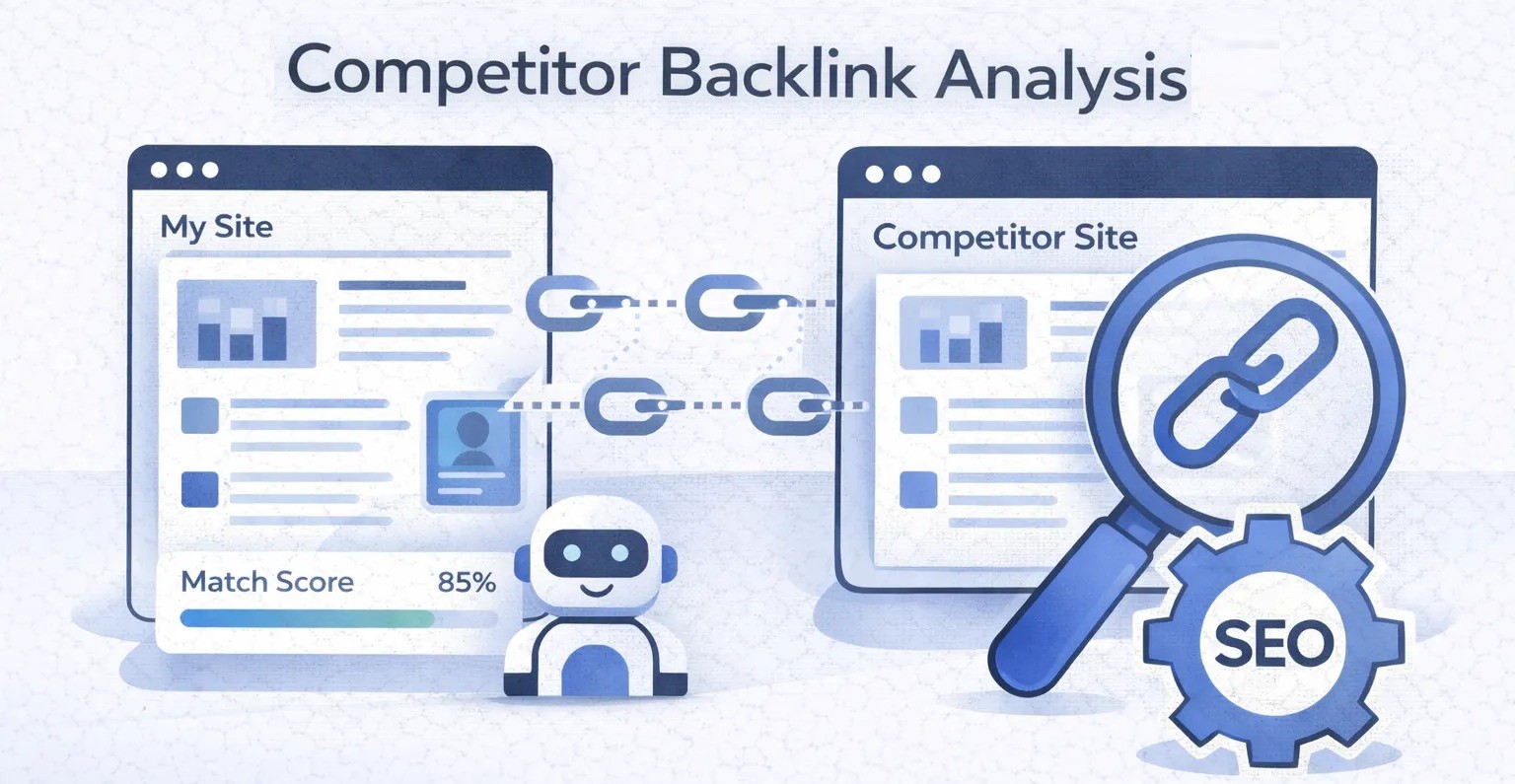
Strategy 7: Competitor Backlink Analysis (The Spy Game)
Effectiveness Rating: 8/10
Analyze where your competitors get links, then pursue similar opportunities.
Logic: If a high-authority site linked to your competitor, they might link to you if your content is similar or better.
How it works:
- Use Ahrefs or SEMrush
- Enter competitor domain
- View their top backlinks
- Identify link opportunities from the same sources
- Pitch yourself
Real success: Companies using this strategy typically generate 2-3 links per competitor analyzed.
Tools:
- Ahrefs Site Explorer
- SEMrush
- Moz Link Research
Cost: Tool subscription + your time
Best for: Competitive niches where direct competitor analysis is feasible
Reality check: Your competitors might not reveal everything in their backlink profile (some are noindex-ed or private). But public links are often enough.
Implementation:
- Identify 5 main competitors
- Analyze their backlinks in Ahrefs
- Look for patterns (which sites link to multiple competitors)
- Pitch those sites
Strategy 8: Relationship-Based Outreach (The Slow Burn)
Effectiveness Rating: 8.5/10 (Long-term)
Build genuine relationships with editors, journalists, and site owners in your niche. Links follow naturally.
Why it works: Generic cold outreach gets an 8.5% response rate. Relationships get a 40%+ response rate.
The difference:
- Cold: “Hey, would you link to my article?”
- Relationship: “Hey Mia, I’ve been reading your site for months, loved your recent piece on [topic]. I’ve covered something similar that might interest your audience…”
How it works:
- Identify key players in your niche (editors, influencers, site owners)
- Genuinely engage with their content
- Comment thoughtfully on their posts
- Share their content to your audience
- Start conversations
- After months of genuine engagement, pitch
Time investment: 2-4 hours per week for 3-6 months before pitching
Cost: Your time (or $50-100/month if using relationship management tools)
Success rate: 40-60% (significantly higher than cold outreach)
Best for: Everyone. Seriously. This should be the foundation of any strategy.
Reality: Most people skip this because it’s slow. That’s why it’s effective. You’re doing what 95% of link builders won’t do.
Implementation:
- Make a list of 20 key people in your niche
- Follow them on all platforms
- Engage genuinely 2-3 times per week
- Share their content
- After 3-6 months, reach out for coffee/call/collaboration
- Build from there
Link Building Tactics That DON’T Work (And Why)
Before choosing a strategy, understand what definitely doesn’t work in 2026:
❌ Buying links directly
Google penalizes this heavily. It looks unnatural, violates guidelines, and gets caught.
❌ Private blog networks (PBNs)
Old school link strategy. Google destroys sites using PBNs. Not worth the risk.
❌ Comment spam
Spam comments with links get moderated immediately. Zero value.
❌ Directory submissions
Low-quality directories have zero authority. Won’t help rankings.
❌ Automated link generation
Software that “generates” backlinks is a scam. They generate nothing except wasted money.
❌ Keyword-stuffed anchor text
Over-optimized anchor text (exact match keywords) gets flagged as manipulative. Google prefers natural anchors.
❌ All links from one domain
Multiple links from the same site have diminishing returns. Diverse link sources are stronger.
❌ Unethical guest posting
Spammy guest posts on low-quality sites signal Google that you’re desperate. Hurts more than helps.
When Link Building Pays Off (The ROI Timeline)
When do links start working?
- 46.6% see ranking impact within 1-3 months
- 35.2% see impact within 3-6 months
- 18.2% take 6+ months
Average time to noticeable results: 3.1 months
Why there’s a delay:
- Google needs to crawl the linking page
- Google needs to process the new link
- Link needs to accumulate authority
- Page needs to re-rank with new authority
Patience is not optional. It’s fundamental.
ROI by industry:
- B2B SaaS: 702% ROI
- Legal Services: 526% ROI
- Real Estate: High ROI (highest of measured industries)
- E-commerce: 150-300% ROI
- General services: 100-250% ROI
Higher-ticket industries see better ROI because a single lead from organic search converts to significant revenue.
Link Quality Metrics (What Truly Matters)
When evaluating link opportunities, assess:
Domain Rating (DR) / Domain Authority (DA)
- 67% of link builders prioritize DR from Moz
- Generally: DR40+ is considered “high authority”
- But DR alone isn’t everything
Relevance
- A link from a relevant site with DR30 beats an irrelevant site with DR80
- Topical relevance is critical
Link placement
- Main content links > sidebar links > footer links
- Contextual links > author bio links
- Higher placement = higher value
Anchor text
- Branded anchors are safest (“Rank Math”)
- Partial-match keywords acceptable (“best SEO plugin”)
- Exact-match keywords risky if overused
Referring domain diversity
- 5 links from 5 different sites > 5 links from same site
- Diverse link sources look more natural
Link velocity
- Steady growth > sudden spikes
- 5 new links/month looks natural
- 50 links overnight looks manipulated
Link Building + CrawlWP: A Powerful Combo
Here’s something most link builders don’t think about: Indexing speed amplifies the ROI of link building.
Traditional approach:
- Secure backlinks
- Wait for Google to crawl the linking pages
- Wait for Google to process the links
- Wait for your page to re-rank
- See results in 3-6 months
With CrawlWP:
- Secure backlinks
- CrawlWP instantly submits your updated page to Google
- Linking pages get crawled faster
- Google processes links sooner
- Your page re-ranks faster
- See results in 4-8 weeks instead of 3-6 months
CrawlWP doesn’t build links for you, but it accelerates the timeline by 25-50%. When combined with a solid link-building strategy, ROI compounds faster.
Get instant indexing with CrawlWP →
Your Link Building Action Plan (Month by Month)
Month 1: Foundation
- Analyze competitor backlinks
- Identify 20 key people in your niche
- Start building relationships (genuine engagement)
- Create one linkable asset (guide, tool, or original research)
- Audit site for broken links (potential link opportunities)
Month 2: Campaign Planning
- Research 30+ potential link sources
- Prioritize by relevance and authority
- Draft outreach templates
- Begin broken link building outreach
- Continue relationship building
Month 3: Execution
- Launch digital PR campaign (if budget allows)
- Continue broken link building (expect 20-50 responses from 1,000 outreach emails)
- Guest post pitching begins
- Monitor unlinked brand mentions
- Continue relationship building
Month 4-6: Scaling
- Analyze results from Month 3
- Double down on what works
- Build on relationship foundation (some should now be willing to collaborate)
- Secondary round of link building based on learnings
- Track rankings to correlate with link acquisition
Ongoing:
- Maintain relationships
- Monitor for unlinked mentions
- Create new linkable assets quarterly
- Analyze competitor link acquisition monthly
FAQs
Do I really need backlinks to rank?
Not theoretically, but practically, yes. 94-95% of pages have zero backlinks and get zero traffic. The #1 result has 3.8x as many backlinks as #2-10 combined. Ranking without backlinks is possible but statistically unlikely. Links accelerate rankings significantly.
How many backlinks do I need?
Quality matters far more than quantity. One link from a DR60 authoritative site beats 50 links from DR20 sites. Most competitive queries require 30-50 high-quality backlinks. But there’s no magic number; it depends on competition.
How long does link building take to show results?
Average 3.1 months. Most (46.6%) see movement within 1-3 months. Some take 6+ months. Patience is mandatory. If an agency promises results in 2 weeks, they’re lying.
Should I focus on link quality or quantity?
Quality, decisively. 93.8% of link builders prioritize quality. One contextual link from a relevant authority site outperforms 100 low-quality links.
What’s the difference between dofollow and nofollow links?
Dofollow links pass authority. Nofollow links don’t directly pass authority but still have value (traffic, brand recognition, AI search visibility). Goal: mix of both (not 100% dofollow—that looks unnatural).
Can I get penalized for link building?
Yes, if you violate Google’s guidelines (buying links, PBNs, manipulation). No, if you build links ethically. Ethical strategies: guest posting, broken-link building, digital PR, and relationship building. All safe.
Is guest posting dead?
Not dead, declining. Only 18% rank it as the best-performing tactic (down from 34%). Rising costs and declining ROI are the culprits. Still viable in undercompetitive niches.
Should I hire an agency or do it in-house?
Depends on budget and expertise. Agencies: faster results, better relationships, higher cost ($5K+/month). In-house: slower, cheaper, requires expertise. Many brands do both (in-house relationships and campaigns with agencies).
How do I measure link building ROI?
59% of link builders measure ROI by increased organic visibility. 28% measure by increased revenue from organic. Track before/after rankings, traffic, conversions from organic search.
Will AI search engines make backlinks less important?
Opposite—74% of SEOs believe backlinks impact AI visibility. AI search engines cite authoritative sources, and backlinks signal authority. Links matter more in the AI era, not less.
What’s the best link building strategy for beginners?
Start with relationship building (free, long-term, high success rate once relationships form) + broken link building (low cost, moderate success). Graduate to guest posting and digital PR as budget increases.