
Here’s a question that haunts every SEO professional: Why does a competitor’s website rank higher than yours when your content is objectively better?
The answer is almost always the same: Off-page SEO.
You can have the most beautiful, comprehensive, perfectly optimized website on the planet. Flawless on-page SEO. Incredible user experience. Core Web Vitals that make Google weep. But if nobody on the entire internet is linking to you, mentioning you, or talking about you, Google will bury you.
Off-page SEO is the external validation that tells Google, “Hey, other people think this site is worth linking to and talking about. Maybe you should rank it higher.”
Here’s what’s brutal: 92% of marketing specialists confirm that link building will be a critical ranking factor in Google’s algorithm for the next decade. The signal has survived every algorithm update since 2000. It’s not going anywhere.
Yet most websites completely ignore off-page SEO. They publish content into the void and hope for organic visibility. Spoiler alert: it doesn’t happen.
The #1 Google result has 3.8 times as many backlinks as the results ranking in positions 2-10. That’s not luck. That’s off-page SEO working exactly as intended.
This guide explains what off-page SEO is, why it matters in 2026, and the proven techniques for building authority, earning backlinks, and pushing your site toward page 1.
Let’s build something worth linking to.
Table of Contents
What Is Off-Page SEO (And How Is It Different From On-Page)?
Off-page SEO is everything you do outside your website that influences search rankings.
On-page SEO is what you control: content, title tags, meta descriptions, page speed, mobile optimization. You’re literally editing your website.
Off-page SEO is what you can influence but don’t directly control: backlinks, brand mentions, media coverage, customer reviews, social signals. You’re building authority and credibility through external validation.
The car analogy: On-page SEO is the engine. Off-page SEO is the fuel. You can have the best engine on earth, but without fuel, you’re not going anywhere.
Why Google cares about off-page signals:
Google’s core problem: They need to figure out which websites are trustworthy and authoritative. They can’t check every site personally. So they use off-page signals as proxy measures:
- Backlinks = “Other credible sites think this is valuable”
- Brand mentions = “People talk about this company outside their website”
- Customer reviews = “Real users say this is trustworthy”
- Media coverage = “Professional journalists think this is newsworthy”
Off-page SEO demonstrates that your site deserves a ranking through external validation. It’s the digital equivalent of reputation.
The Critical Off-Page SEO Numbers
Before we dive into techniques, understand what the data actually says:
The average #1 Google result has about 3.8× as many backlinks as pages ranking in positions 2–10. While backlinks aren’t the only ranking factor, they remain one of the strongest signals associated with higher rankings.
94% of SEO professionals believe links will still be a Google ranking signal in five years. Despite the rise of AI-powered search, industry experts continue to see authoritative backlinks as a core part of SEO.
Google’s E-E-A-T (Experience, Expertise, Authoritativeness, and Trustworthiness) isn’t a direct ranking factor or score. Instead, Google’s ranking systems evaluate a variety of signals that indicate trustworthy, helpful content. These include content quality, author expertise, editorial transparency, backlinks, citations, reviews, and overall online reputation.
Off-page SEO is a long-term investment. Most websites begin seeing meaningful results after 3–6 months of consistent effort, though highly competitive niches may take longer.
AI-powered search is making brand authority more important than ever. While Google hasn’t stated that backlinks alone influence AI-generated search features, websites with strong authority, trusted backlinks, brand mentions, and positive reputation are generally better positioned to earn visibility.
What This Means
Off-page SEO remains a critical part of improving search visibility in 2026, but success isn’t just about building more backlinks. The most successful websites combine high-quality content with genuine authority built through trusted backlinks, brand mentions, digital PR, positive reviews, and recognition from reputable sources.
As AI-powered search continues to evolve, building a credible and trustworthy online presence is more important than ever.
10 Off-Page SEO Techniques That Work
Technique 1: Link Building (The Foundation)
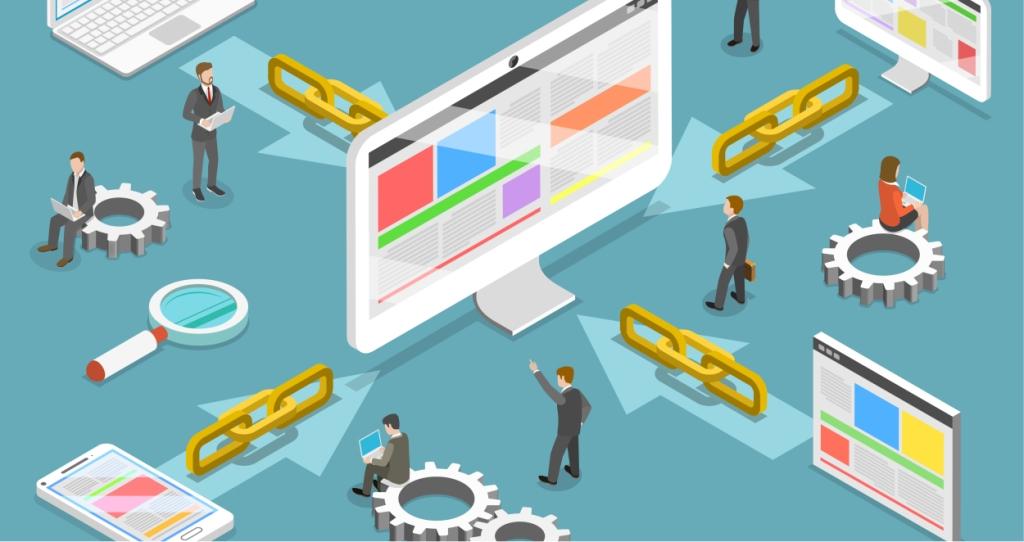
Building backlinks remains the single most important off-page SEO technique. Nothing else comes close.
Why it works:
- Google treats backlinks as “votes of confidence”
- Backlinks pass authority from the linking domain to yours
- Higher quality backlinks = stronger ranking boost
- A diverse backlink profile looks more natural to Google
Types of backlinks to prioritize:
Editorial backlinks (best)
- Links placed naturally within article content
- From relevant, authoritative sources
- Pass maximum authority
- Hardest to earn but most valuable
Contextual backlinks (good)
- Links within relevant context (not just author bio)
- From topically related sites
- Strong ranking signal
Nofollow backlinks (still valuable)
- Don’t pass PageRank directly
- Still provide referral traffic
- Contribute to diverse link profile
- Help with brand visibility
What NOT to do:
- ❌ Buy backlinks (Google penalizes)
- ❌ Participate in link schemes (violates guidelines)
- ❌ Use private blog networks (gets caught and penalized)
- ❌ Focus only on quantity (quality matters exponentially more)
Real impact: Eight out of ten SEO professionals predict links will remain a ranking factor a decade from now.
Technique 2: Digital PR (The Modern Power Move)
Digital PR – securing media coverage, interview placements, and news mentions – is now the most effective link-building tactic in 2026.
Why it dominates:
- Digital PR is the most effective link-building method in 2026, used by 67.3% of marketers and rated the most effective tactic by 48.6% of SEO professionals
- Links from news outlets and publications carry massive authority
- AI search engines (ChatGPT, Perplexity) prioritize news coverage
- Creates genuine brand mentions alongside links
How it works:
- Develop a newsworthy angle (original research, expert commentary, industry insight)
- Pitch journalists and media outlets
- Secure coverage or interview placements
- Earn editorial backlinks naturally
- Benefit from brand mention and authority boost
Timeline: 4-12 weeks for results
Success tip: Journalists use HARO (Help A Reporter Out) to find expert sources. Positioning yourself as an expert source costs nothing and frequently lands mentions.
Technique 3: Broken Link Building (The Opportunity Hunt)
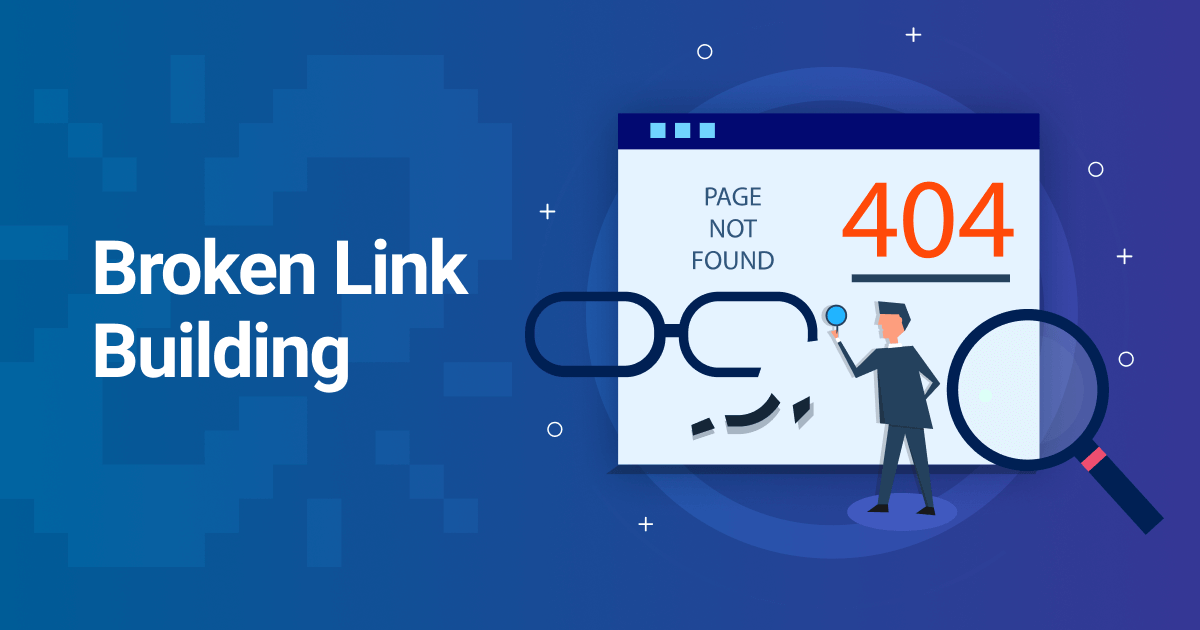
Find broken links on authority websites, then pitch your content as a replacement.
How it works:
- Use Ahrefs, SEMrush, or similar tools
- Find DR40+ sites with 404 errors/broken links
- Identify better content you could offer as a replacement
- Pitch the site owner: “Hey, this link is broken. Check out my resource instead”
Why it works:
- Site owners want to fix broken links (bad user experience)
- If your content is a genuine replacement, response rate is high
- Editorial links from fixing broken links are contextual and relevant
Success rates:
- Generic outreach: 1-2% response rate
- Well-targeted replacement content: 20%+ response rate
Reality check: Only pitch if you actually have better content. Generic pitches get ignored or spam-folder-fled.
Technique 4: Guest Posting (The Reliable Player)
Writing articles for other high-authority blogs, earning backlinks in return.
Why it still works:
- Reaches established audiences
- Provides editorial backlinks
- Builds brand awareness
- Demonstrates expertise
Current reality:
- Guest posting comes second to digital PR at 16% of marketers using it
- Rising editorial standards make it harder to place
- Costs have increased (average $220-600 per post)
- Less effective than digital PR but still legitimate
Success tips:
- Target niche blogs rather than mega-sites
- Write genuinely valuable content (not thin promotion)
- Build relationships with editors first
- Follow their editorial guidelines exactly
Reality check: Cold guest post pitching gets 1-5% response rates. Relationship building gets 40%+ response rates.
Technique 5: Unlinked Brand Mentions (The Underrated Gem)
Find places where people mention your brand without linking; convert those mentions to links.
Why it matters:
- Brand mentions matter significantly in 2026 by increasing the surface area for brand selection by AI and search engines. Even when a mention does not include a hyperlink, it contributes to your brand’s perceived authority
- Unlinked mentions still boost authority signals
- Google’s algorithm recognizes brand mentions as relevance signals
- Converting mentions to links is often as simple as asking
How to execute:
- Set up Google Alerts for your brand name
- Monitor social media for mentions
- Use tools like Brand24 to track mentions across the web
- Find mentions without links
- Email: “Thanks for mentioning us! Would you mind adding a link?”
Success rate: 20-50% (much higher than cold outreach because they already mentioned you)
Technique 6: Original Research & Linkable Assets (The Content Play)
Create something so valuable that others naturally want to link to it: research studies, data reports, interactive tools, original surveys.
Why it works:
- People link to valuable assets without being asked
- Editorial mentions happen naturally
- Long-term link accumulation continues for months/years
- Google recognizes originality and authority
Real impact:
- Companies offering original research on their websites grow organic traffic by 29.7% on average versus 9.3% for those that do not
Examples:
- Original research study on industry trends
- Interactive tool or calculator
- Comprehensive industry report
- Proprietary data analysis
- Original survey results
Timeline to results: 3-6 months (but links keep coming for years)
Reality: This is the long game. But it’s the most sustainable strategy because people keep linking to valuable assets for years.
Technique 7: Local Citations & NAP Consistency (The Local Play)
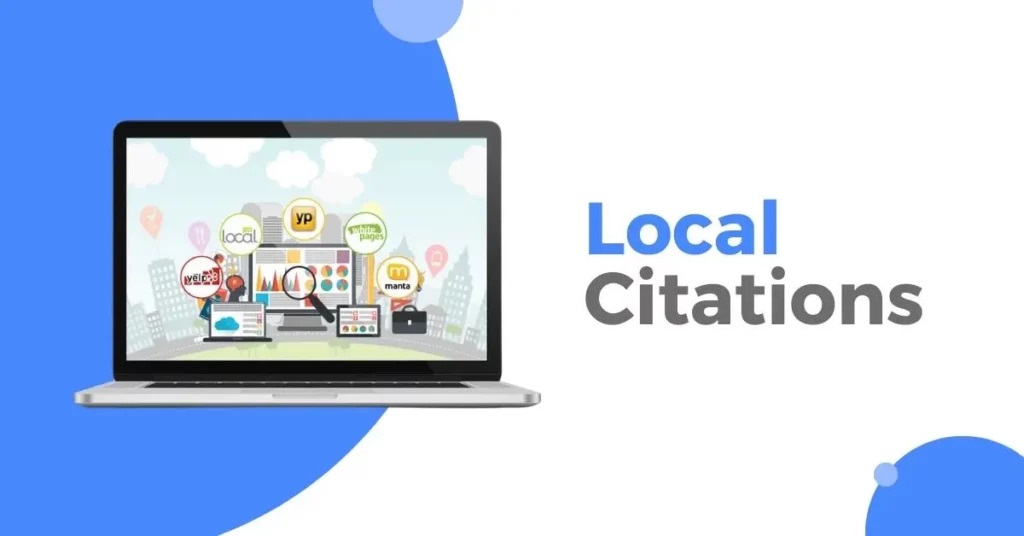
Ensure your Name, Address, and Phone number are consistent across all online directories, local listings, and review platforms.
Why it matters:
- Google uses citation consistency as a local authority signal
- Inconsistent NAP data confuses search engines and users
- 41% of local searches include geographic modifiers (“near me”)
- Local businesses benefit more from citations than any other segment
How to execute:
- Audit existing citations for inconsistencies
- Claim and optimize Google Business Profile
- Add consistent listings to:
- Yelp
- Apple Maps
- Industry-specific directories
- Local chambers of commerce
- Justdial, Sulekha (if relevant)
- Fix any formatting inconsistencies
- Monitor for new citation opportunities
Pro tip: Even small differences (123 Main St vs 123 Main Street) dilute authority. Consistency is critical.
Technique 8: Customer Reviews & Reputation Management (The Trust Factor)
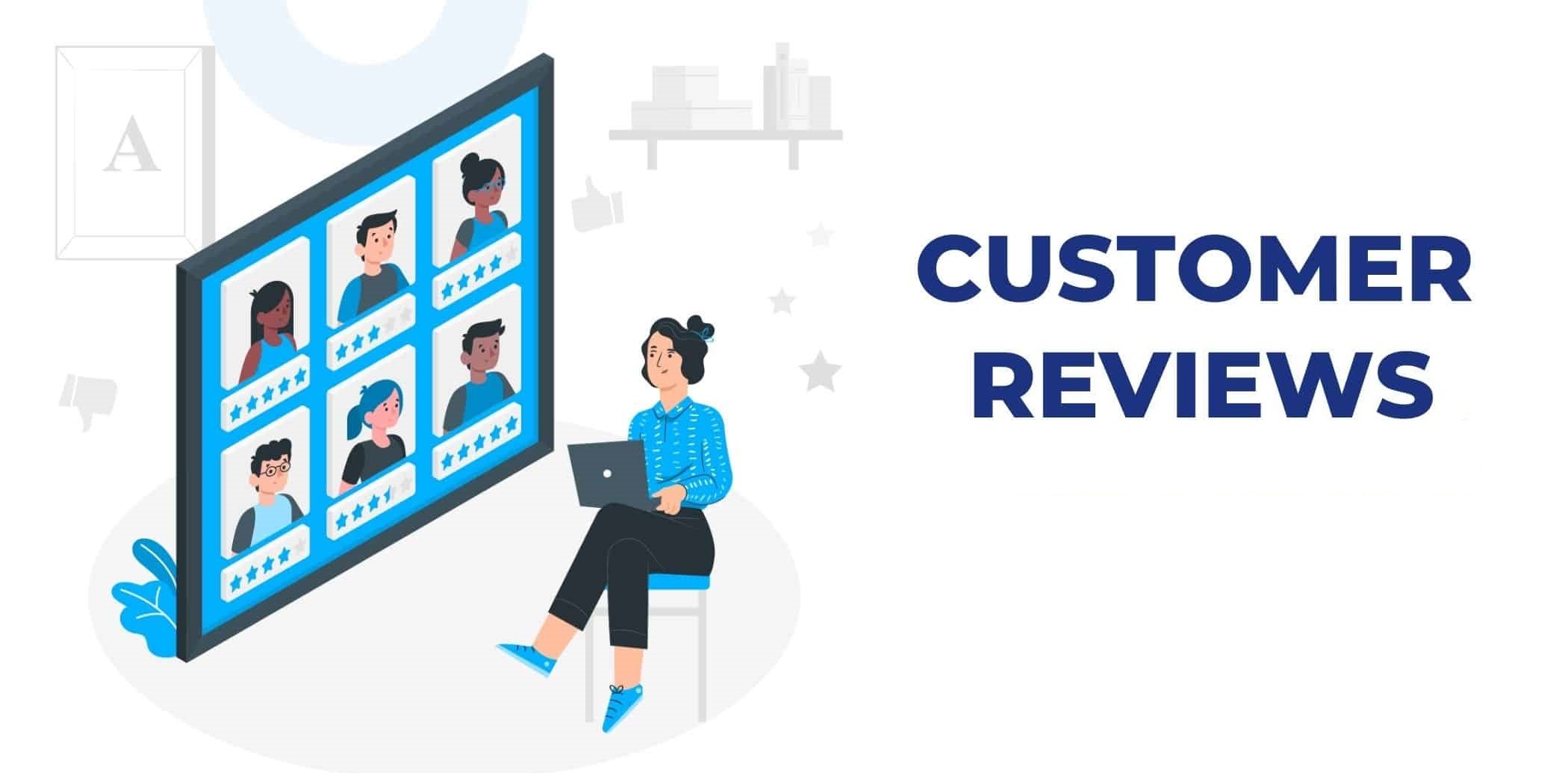
Encouraging and managing customer reviews on Google, Yelp, Trustpilot, and industry platforms.
Why Google cares:
- Real customer feedback signals trustworthiness
- Review velocity (new reviews over time) shows an active business
- Positive reviews contribute to E-E-A-T signals
- Brand sentiment from reviews influences the algorithm
How to implement:
- Request reviews from satisfied customers (easy: send an email post-purchase)
- Monitor reviews across platforms
- Respond to all reviews (positive and negative)
- Address negative feedback professionally
- Encourage more reviews systematically
Impact:
- E-E-A-T is increasingly evaluated through off-page signals, including what the broader web consensus is about your credibility
- Customer reviews are the most direct “consensus” signal
Pro tip: Responding to negative reviews actually builds more trust than having perfect ratings. It shows you care.
Technique 9: Social Signals & Content Amplification (The Visibility Play)
While social signals aren’t direct ranking factors, they influence visibility, reach, and linkability.
How it works indirectly:
- More shares = more visibility = more potential linkers
- Viral content gets media coverage = editorial links
- Social engagement signals an active, credible brand
- Videos get embedded and linked frequently
Why it still matters:
- YouTube videos from top-ranking brands generate links frequently
- Shared content reaches broader audiences
- Social signals contribute to brand awareness (which influences branded searches)
Reality check: Social followers don’t directly rank you. But they amplify your content reach, which indirectly generates links and mentions.
Technique 10: Influencer & Expert Outreach (The Authority Network)
Building relationships with industry influencers, experts, and thought leaders who can mention, reference, or link to your content.
How it works:
- Identify influencers in your niche
- Engage genuinely with their content (shares, comments)
- Build relationships over 3-6 months
- Pitch collaboration or request mentions
- Earn links and brand mentions from authority sources
Why it works:
- Influencer mentions carry credibility
- Audiences trust expert recommendations
- Links from established authorities pass significant weight
- Co-creation opportunities generate mutual value
Reality: This is slow (months of genuine engagement before pitching). But the success rate is dramatically higher than cold outreach.
Off-Page SEO + E-E-A-T: The 2026 Connection
Here’s what most people don’t realize: Off-page SEO is how Google measures E-E-A-T.
E-E-A-T = Experience, Expertise, Authoritativeness, Trustworthiness
Google doesn’t know you’re an expert because you say so. They know you’re an expert because:
- Experience: Your original research, case studies, real results
- Expertise: Industry mentions, media features, citations
- Authoritativeness: Backlinks from authority sites, being referenced
E-E-A-T is evaluated by AI systems through off-site validation: which authoritative publications mention or link to your brand, which trusted third-party platforms reference you, and what the broader web consensus is about your credibility
In other words: off-page signals are how Google measures E-E-A-T. There’s no separate “E-E-A-T score.” There’s just “what does the external web say about this site?”
Off-Page SEO Timeline: When Do You See Results?
This is the question everyone asks: “When will this work?”
Typical timeline:
- Week 1-4: Campaign execution (outreach, relationship building)
- Month 2-3: Initial links/mentions appearing
- Month 3-4: Google crawls and indexes new backlinks
- Month 4-6: Ranking improvements become visible
- Month 6-12: Full impact realized
Off-page SEO typically takes 3-6 months, depending on consistency and competition.
The rule: No credible SEO professional should promise off-page results in under 6-8 weeks. If they do, they’re either lying or about to get you penalized.
Off-Page SEO Mistakes That Tank Your Strategy
❌ Quantity over quality: Building 100 low-quality backlinks hurts more than helps. One link from a DR60 authority site beats 50 links from DR20 sites.
❌ Ignoring relevance: A backlink from a random site has minimal value. Links from topically relevant sites carry 5-10x more weight.
❌ Forgetting anchor text diversity: If 80% of your backlinks use exact-match keywords, Google flags it as manipulation. Diversify: use branded anchors (60%), partial keywords (30%), generic (10%).
❌ Buying links: Google catches it. Penalties are severe. Not worth it.
❌ Private blog networks (PBNs): Old school tactic that doesn’t work anymore. Google algorithms specifically identify and penalize PBN links.
❌ Inconsistent brand identity: Your brand name is spelled differently across platforms, confusing Google’s entity recognition. Consistency matters.
❌ Ignoring toxic backlinks: Your competitor might have 500 backlinks, but if 200 are toxic (from spam sites), they drag down overall authority. Audit and disavow regularly.
Off-Page SEO + CrawlWP: Accelerating Your Timeline
Here’s what link builders don’t talk about: Indexing speed amplifies off-page ROI.
Traditional approach:
- Earn backlinks
- Wait for Google to crawl linking pages
- Wait for Google to process links
- Wait for your page to re-rank
- Results visible in 6+ months
With CrawlWP:
- Earn backlinks
- CrawlWP notifies Google immediately
- Linking pages get crawled faster
- Google processes links sooner
- Your page re-ranks faster
- Results visible in 4-5 months
CrawlWP doesn’t build links for you. But it accelerates the entire timeline by compressing the waiting period.
Get instant indexing with CrawlWP →
Off-Page SEO Action Plan (3-Month Sprint)
Month 1: Foundation
- Audit current backlink profile (Ahrefs/SEMrush)
- Set up brand mention monitoring (Google Alerts, Brand24)
- Identify 20 key influencers/journalists in your niche
- Start genuine engagement with their content
- Claim and optimize all local listings
- Request reviews from top customers
Month 2: Campaign Launch
- Launch digital PR campaign (or do it yourself with HARO)
- Begin broken link building outreach (50-100 targets)
- Start guest post pitching (10-20 targets)
- Create 1-2 linkable assets (research, tool, or guide)
- Build 10+ new local citations
- Convert 5-10 unlinked mentions to links
Month 3: Scale & Monitor
- Analyze which techniques generated best links
- Double down on highest-ROI tactics
- Continue relationship building (should yield partnerships now)
- Promote linkable assets aggressively
- Monitor rankings for keywords you’re targeting
- Prepare next quarter campaigns based on learnings
FAQs
Does off-page SEO really matter?
Absolutely. 92% of marketing specialists claim that link building will be a key ranking factor in Google’s search engine algorithm in the next five years. The signal has survived every algorithm update since 2000. It’s not going anywhere.
How many backlinks do I need to rank?
Depends on competition. The #1 result has, on average, 3.8x as many backlinks as positions 2-10 combined. For competitive keywords, expect 30-50 high-quality backlinks. For low-competition keywords, 5-10 might suffice. Quality matters exponentially more than quantity.
Is buying backlinks a good shortcut?
No. Google catches it and penalizes severely. It looks unnatural, violates guidelines, and tanks more sites than it helps. Not worth it.
How long until I see results from off-page SEO?
3-6 months typically. Most commonly, 3-6 months depending on consistency and competition. Some see movement in 6-8 weeks, some take 9-12 months for significant impact. It’s not fast.
Do social media backlinks count?
Most social links are nofollow (don’t pass PageRank directly). But they still matter for brand visibility, referral traffic, and attracting natural links. Don’t ignore social, but don’t prioritize it over editorial backlinks.
Is guest posting dead?
Not dead, but declining. Only 16% of marketers use it as their primary tactic now (down from higher percentages historically). It still works in undercompetitive niches, but ROI per dollar is declining.
What about unlinked mentions?
They matter. Brand mentions matter significantly by increasing the surface area for brand selection by AI and search engines. Even when a mention does not include a hyperlink, it contributes to your brand’s perceived authority.
Should I focus on quantity or quality for backlinks?
Decisively quality. Among SEO professionals, 93.8% now prioritize link quality over quantity. One quality link beats 100 low-quality links.
How do I know if a backlink is toxic?
Use Ahrefs or SEMrush to audit your backlink profile. Look for links from spam sites, thin pages, or unrelated domains. Disavow toxic links in Google Search Console to prevent them from hurting your authority.
Will AI search engines change off-page SEO?
No.63% of respondents reported that Google AI Overviews have positively impacted organic traffic, visibility, or rankings. And 76.1% of URLs cited in Google AI Overviews also rank in Google’s top 10 organic results. Ranking well with traditional SEO is still the clearest path to appearing in AI answers. Off-page signals matter more, not less.
Can I do off-page SEO without a budget?
Partially. Relationship building costs nothing but time. Unlinked mention conversion is free. Broken link building is free. Guest posting outreach is free. But to scale, budget helps for digital PR, outreach services, or paid tools like Ahrefs.